

Welcome To Greenhead College
Greenhead College is one of the best Sixth Form Colleges in the country. We are proud of our reputation and value our ethos of placing students at the centre of everything we do. Our expectations of students are high but you’ll receive the very best in academic and pastoral support during your time as part of the Greenhead community.
Get in Touch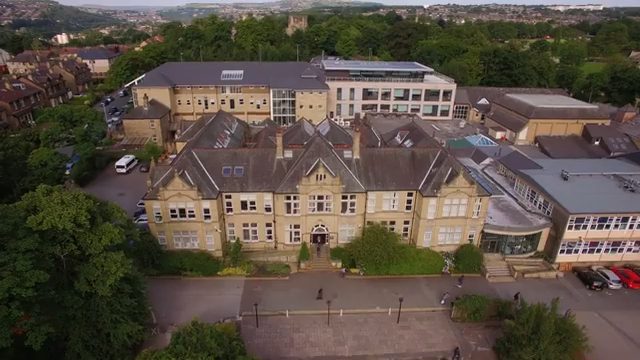
View our Video
See the video in full
@GreenheadCol
-
@GreenheadColHave you received an offer to study at Greenhead College? Don't forget you have just over 24 hours to accept your place before the deadline of 4pm tomorrow (Thursday 18 April). ✅ Accepting is easy! Simply fill out the form sent out in your offer email. #Classof2026
-
@GreenheadColWe are currently recruiting for a number of teaching and cleaning vacancies here at Greenhead College. Visit https://t.co/pxrUlJFsTd for more information and to apply. #BeExceptional #HuddersfieldJobs #TeachingJobs #CleaningJobs #KirkleesJobs #Recruitment
-
@GreenheadColAre you in Year 11? This is your last chance to apply to Greenhead College before our applications for 2024 entry close on Friday, 1 December 2023! Apply now via https://t.co/Bu8YisN5ja #BeExceptional
-
@GreenheadColThere's just one week to go until our application deadline! If you are yet to apply to Greenhead College, please ensure you submit your application by Friday 1 December 2023. Apply now via https://t.co/Bu8YisN5ja #BeExceptional
-
@GreenheadColAmazing news! Well done to our volleyball team 🥈 #SportingSuccess
Featured News
-
 19 April 2024 Principal’s Weekly Update Read More
 -
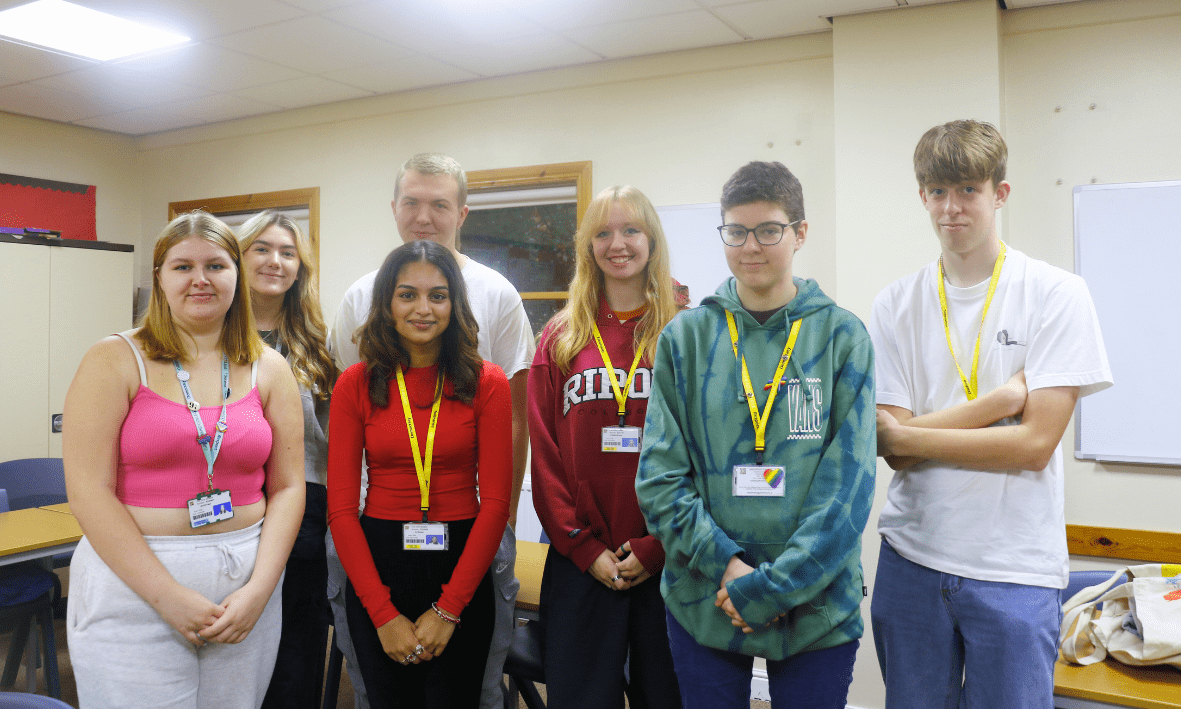 6 November 2023 7 Film Studies students accepted onto prestigious British Film Institute Programme Read More
 -
 17 August 2023 Exceptional A Level Results for our Class of 2023 Read More
 -
 6 June 2023 Greenhead artwork to feature as part of Oxfam’s Climate Justice Campaign at Glastonbury Festival Read More
 -
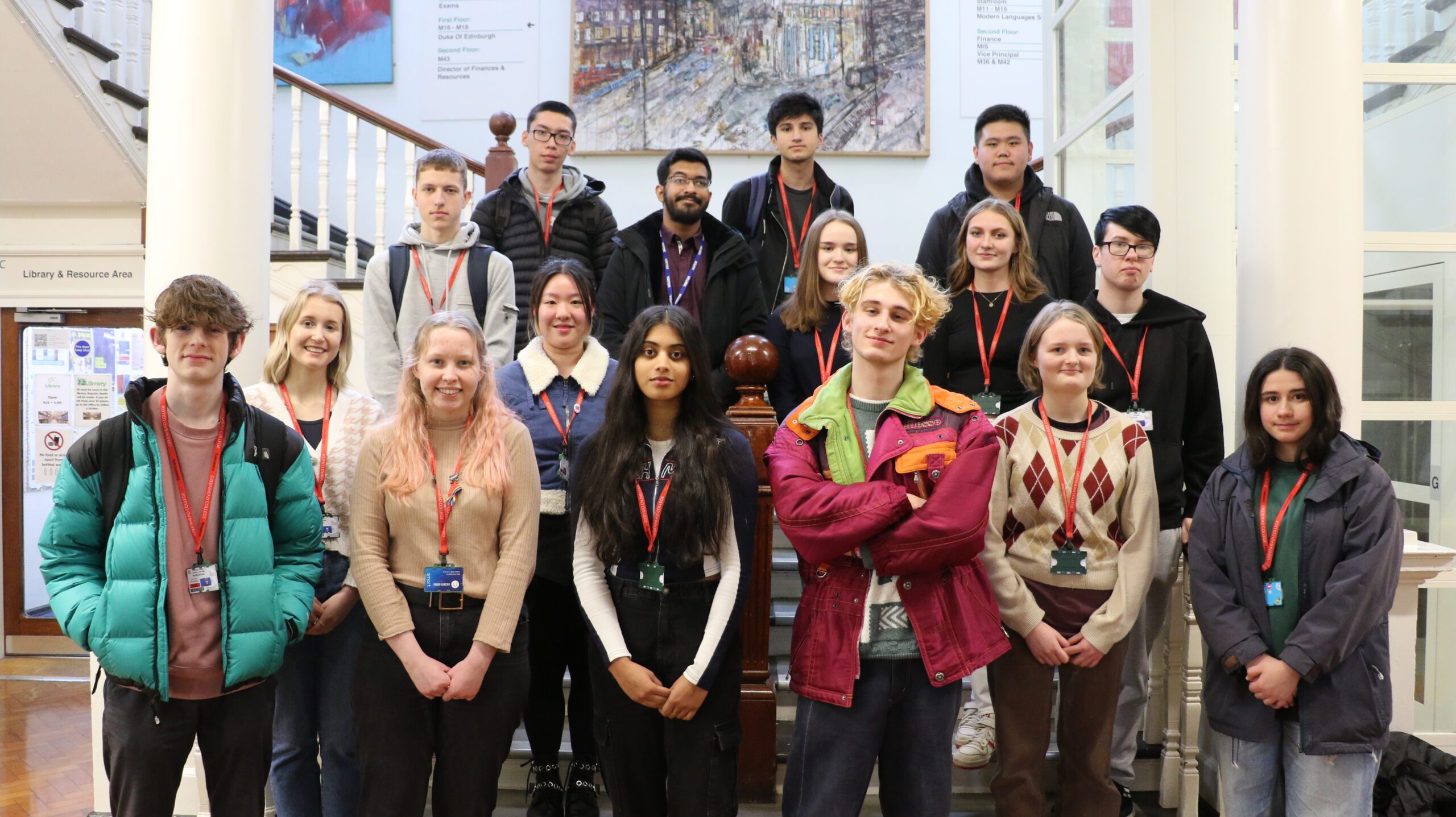 9 February 2023 Exceptional Oxbridge Success 2023 Read More
 -
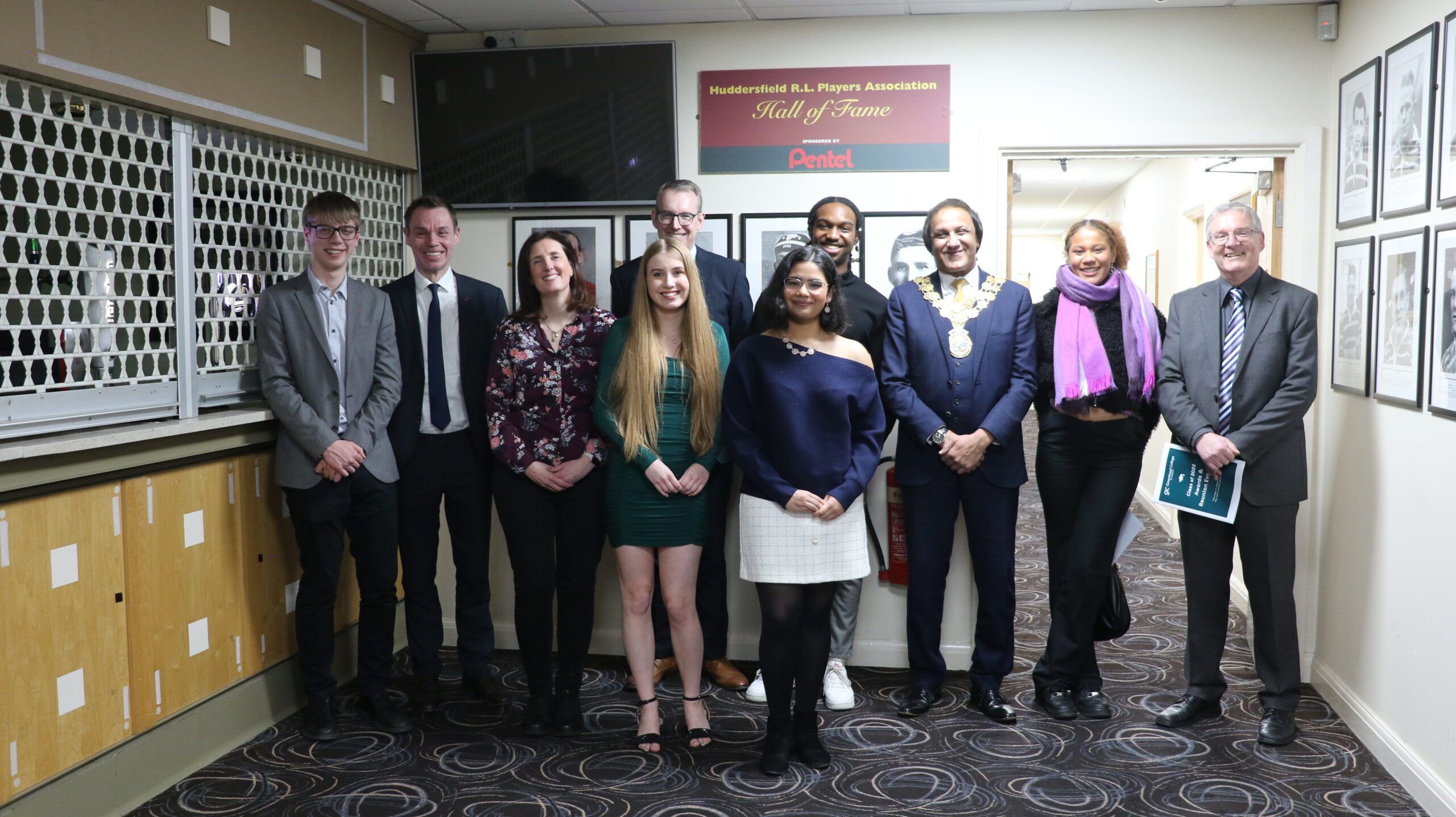 9 January 2023 Awards and Reunion: Celebrating our Class of 2022 Read More
 -
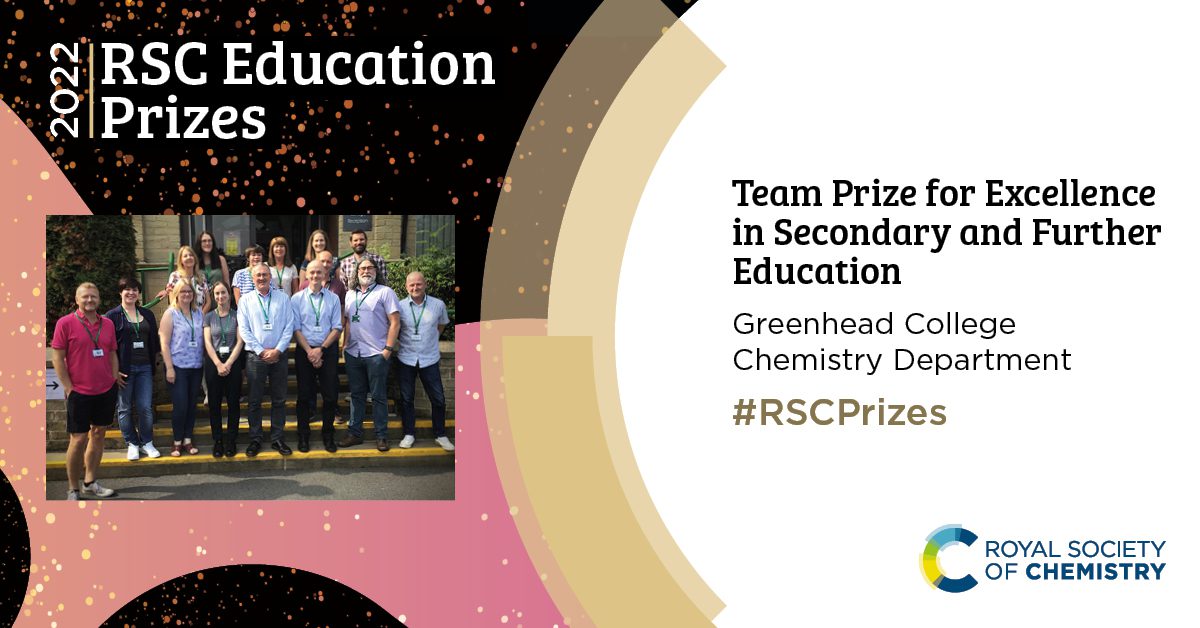 22 November 2022 Chemistry Department win prestigious Royal Society of Chemistry Education Prize Read More
 -
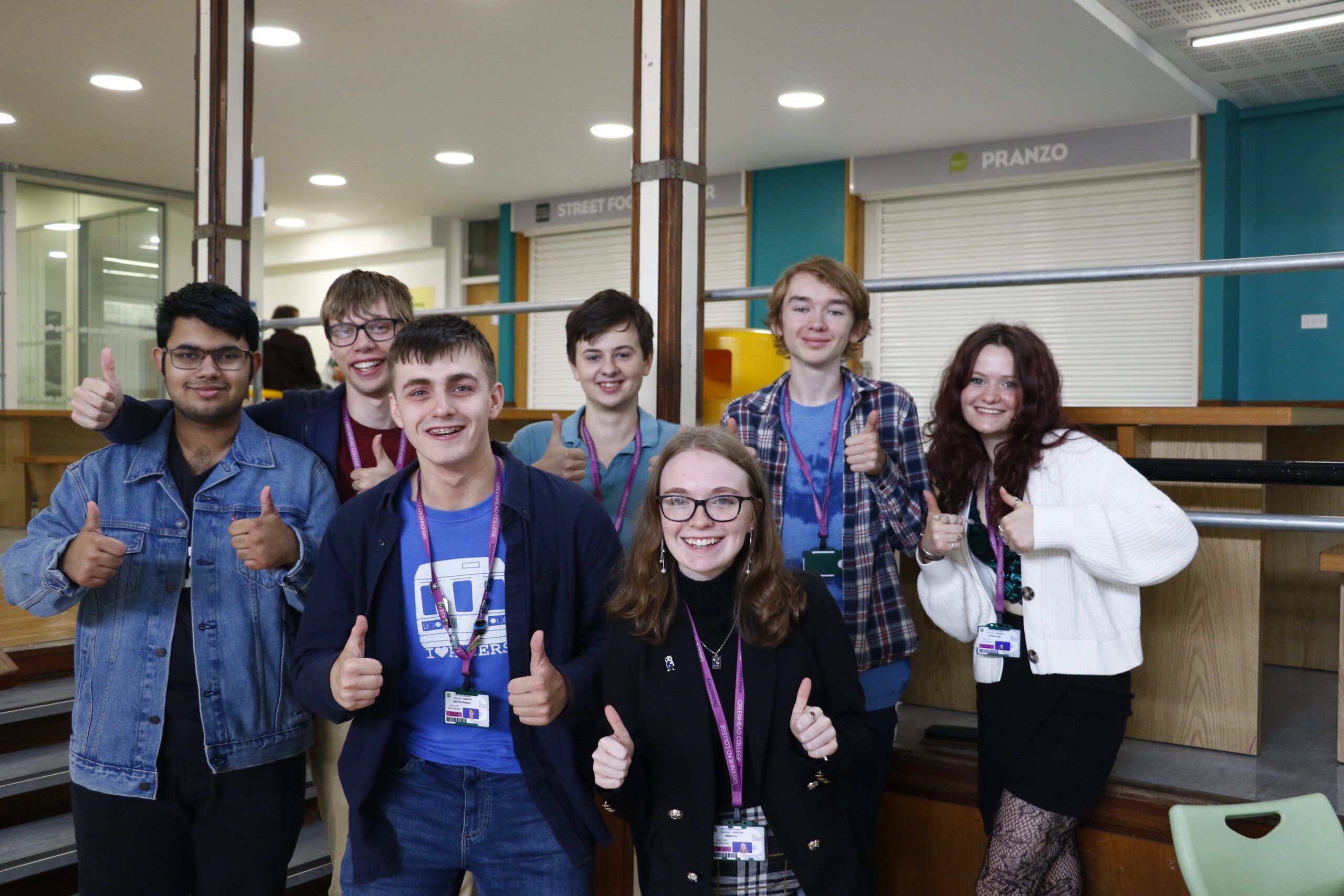 18 August 2022 Results Day 2022 – Greenhead College leads the way! Read More
 -
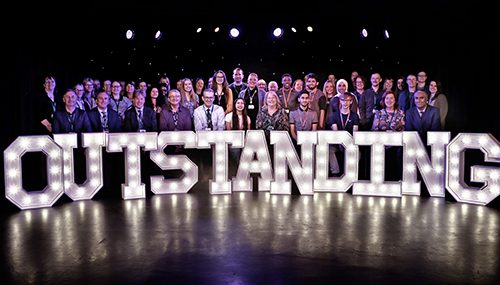 18 May 2022 We are OUTSTANDING! Read More
Latest News
-
 25 April 2024 Julia runs London Marathon 2024 Read More
 -
 24 April 2024 Royal opening of Greenhead College’s new Hirst Building Read More
 -
 22 March 2024 Celebrating Neurodiversity Week Read More
 -
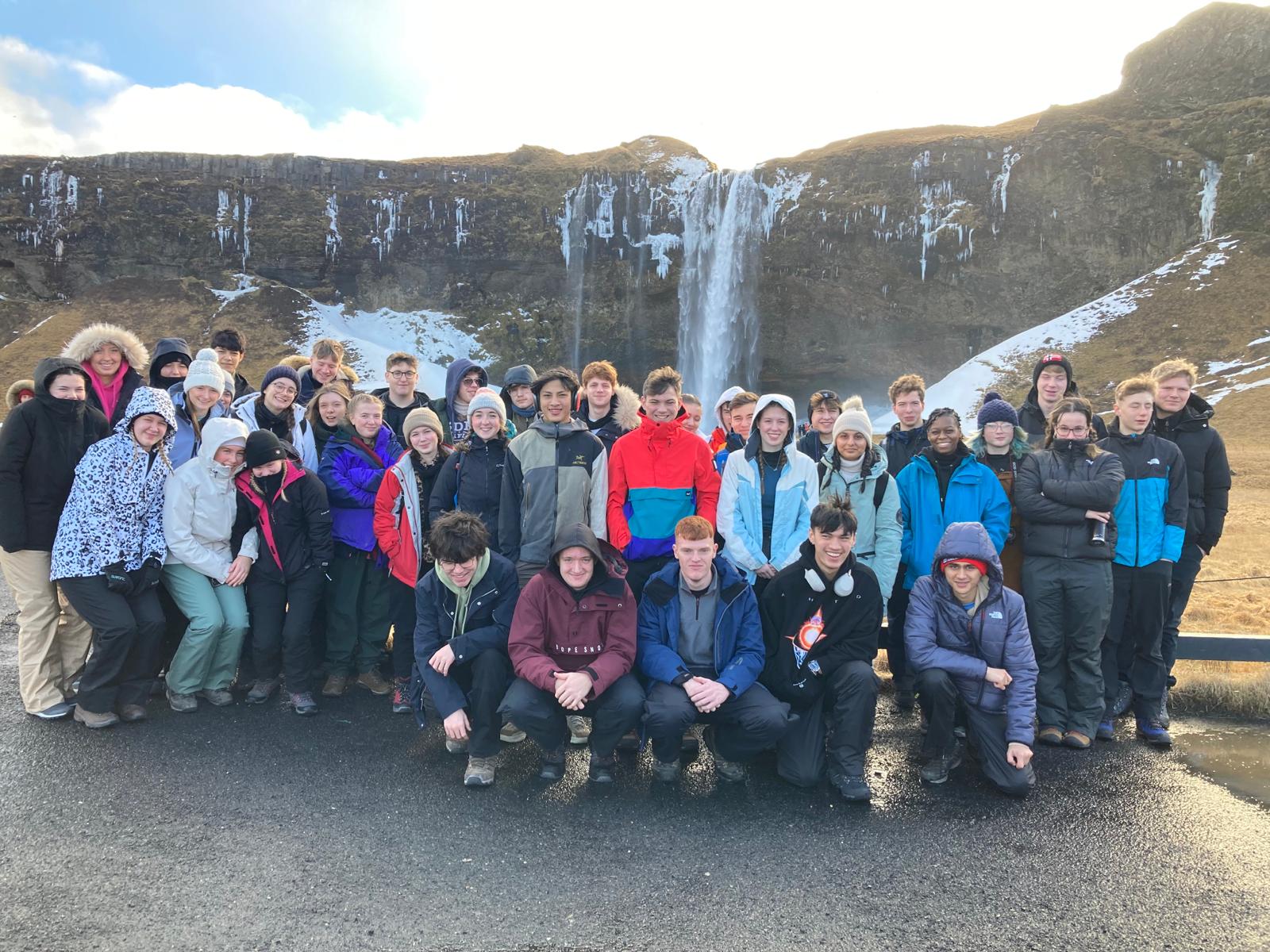 15 March 2024 Iceland 2024 Read More
 -
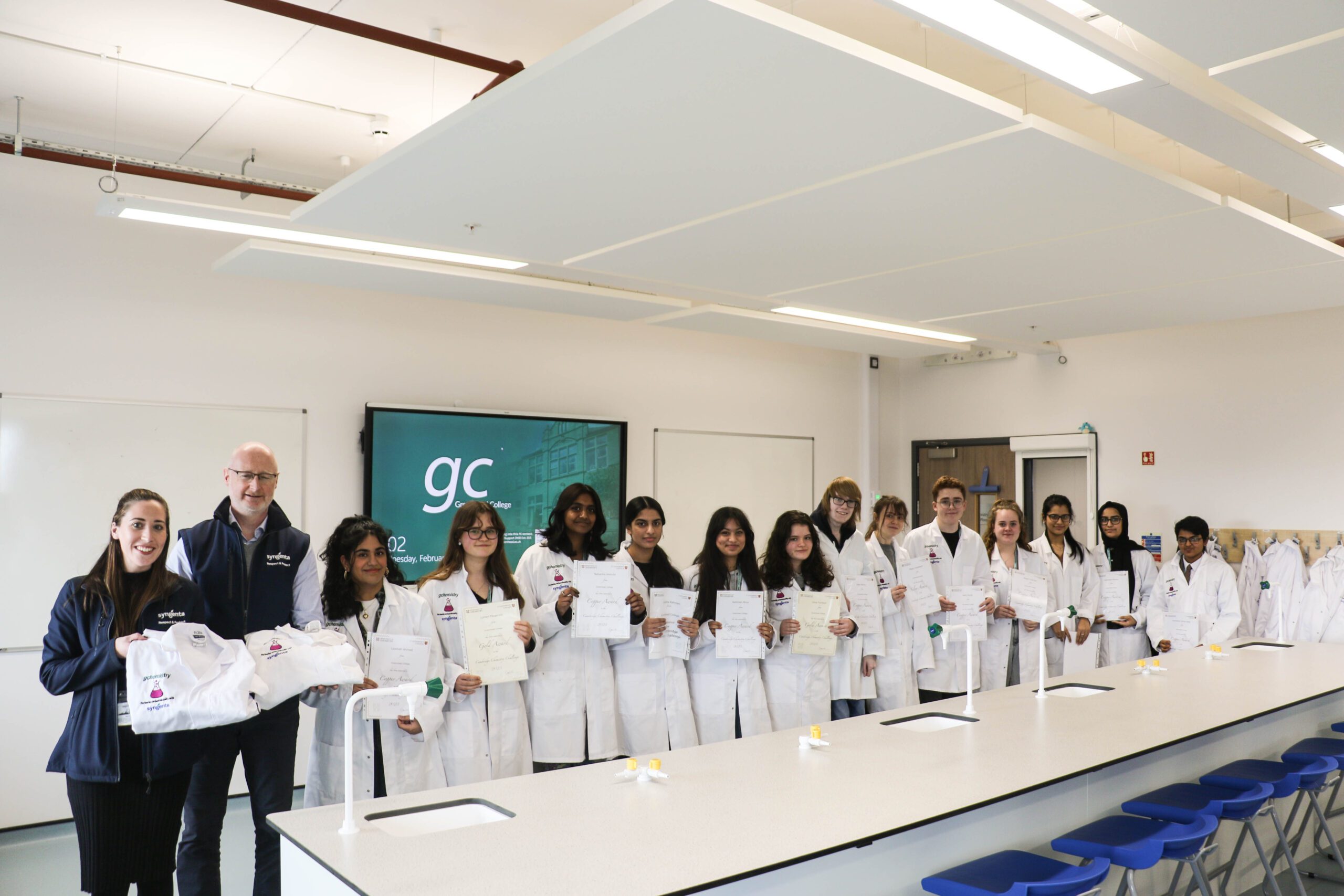 12 March 2024 Cambridge Chemistry Challenge Success Read More
 -
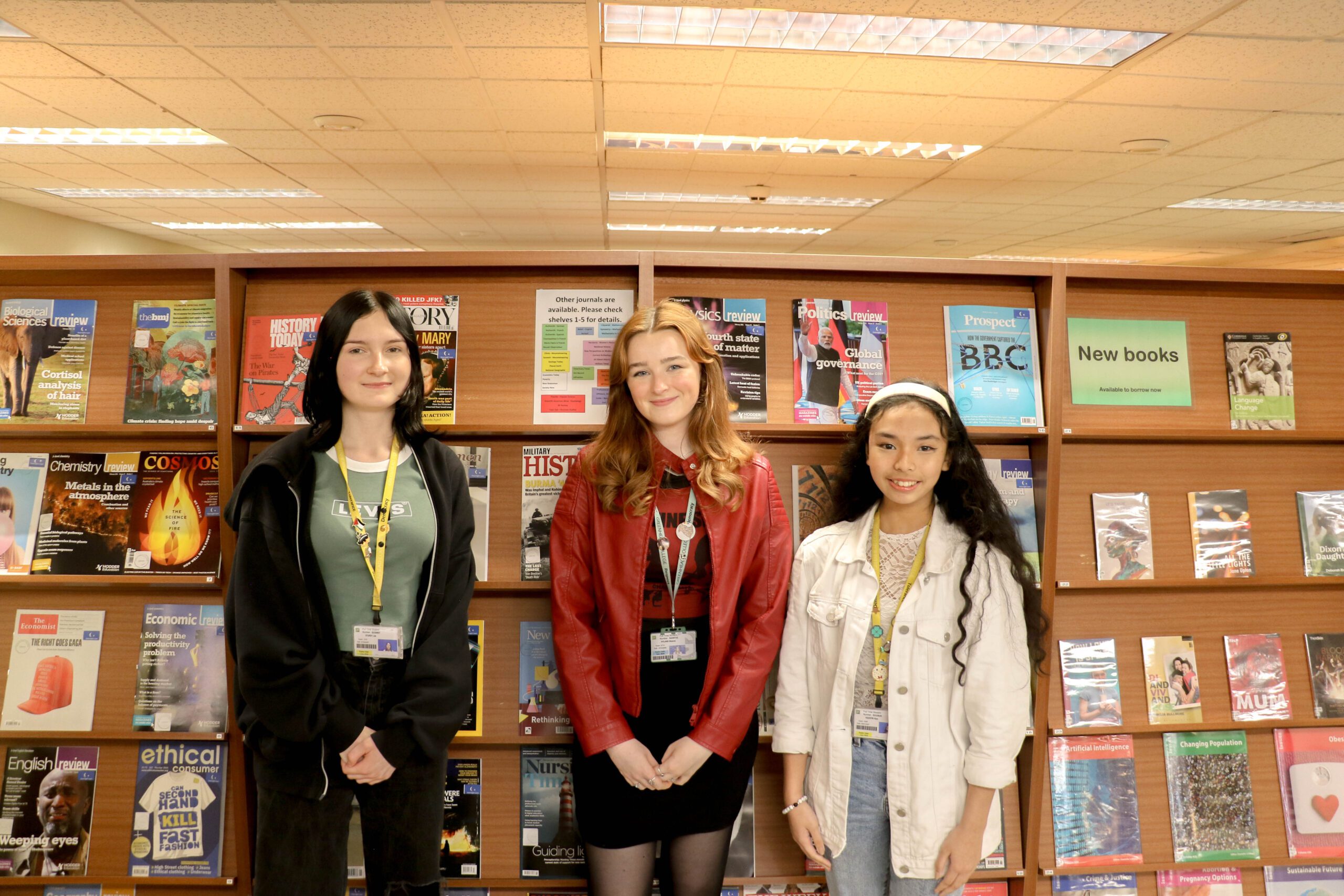 5 March 2024 Journalistic Success at The Telegraph Read More
 -
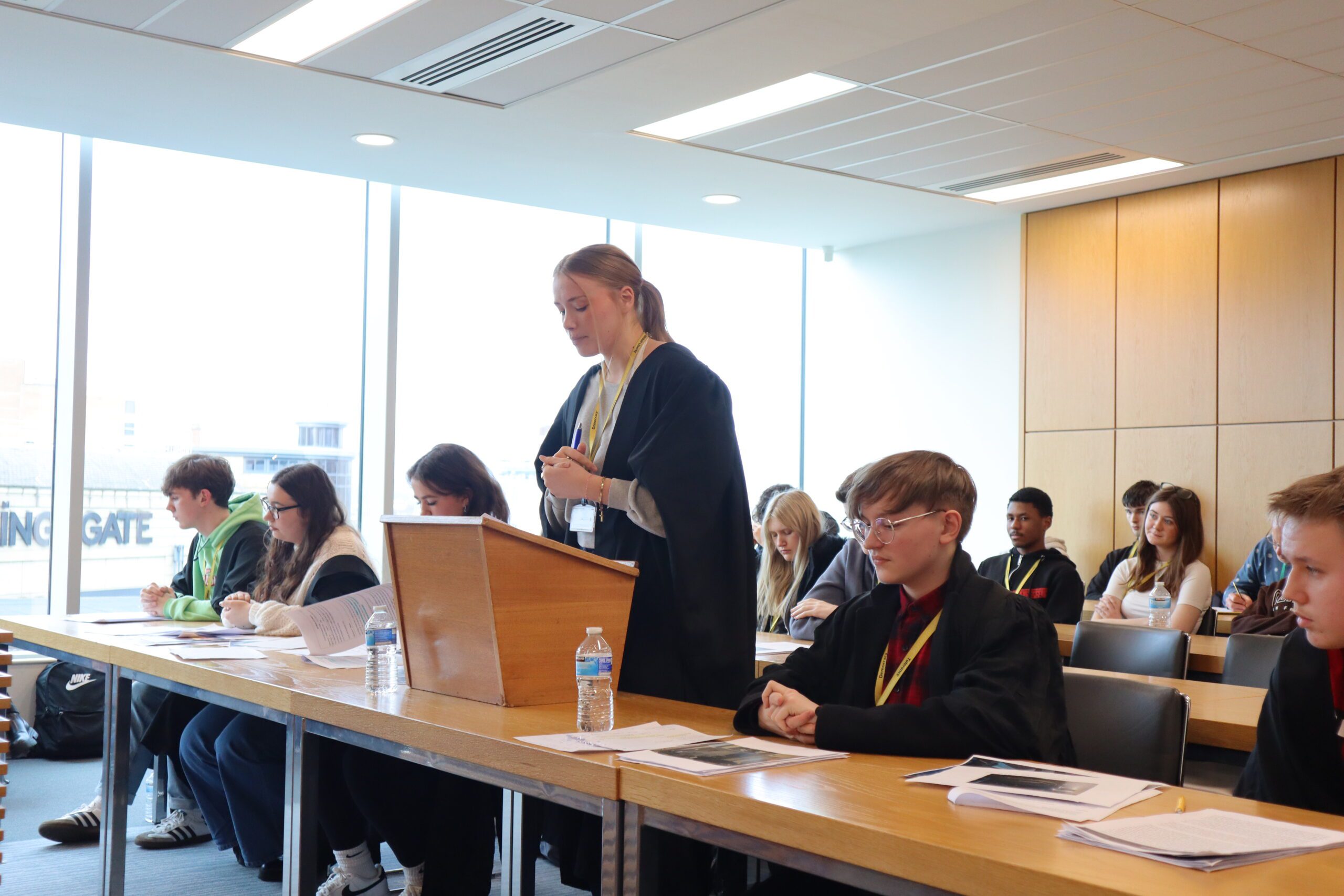 22 February 2024 Budding Lawyers enter the courtroom for a Mock Trial experience Read More
 -
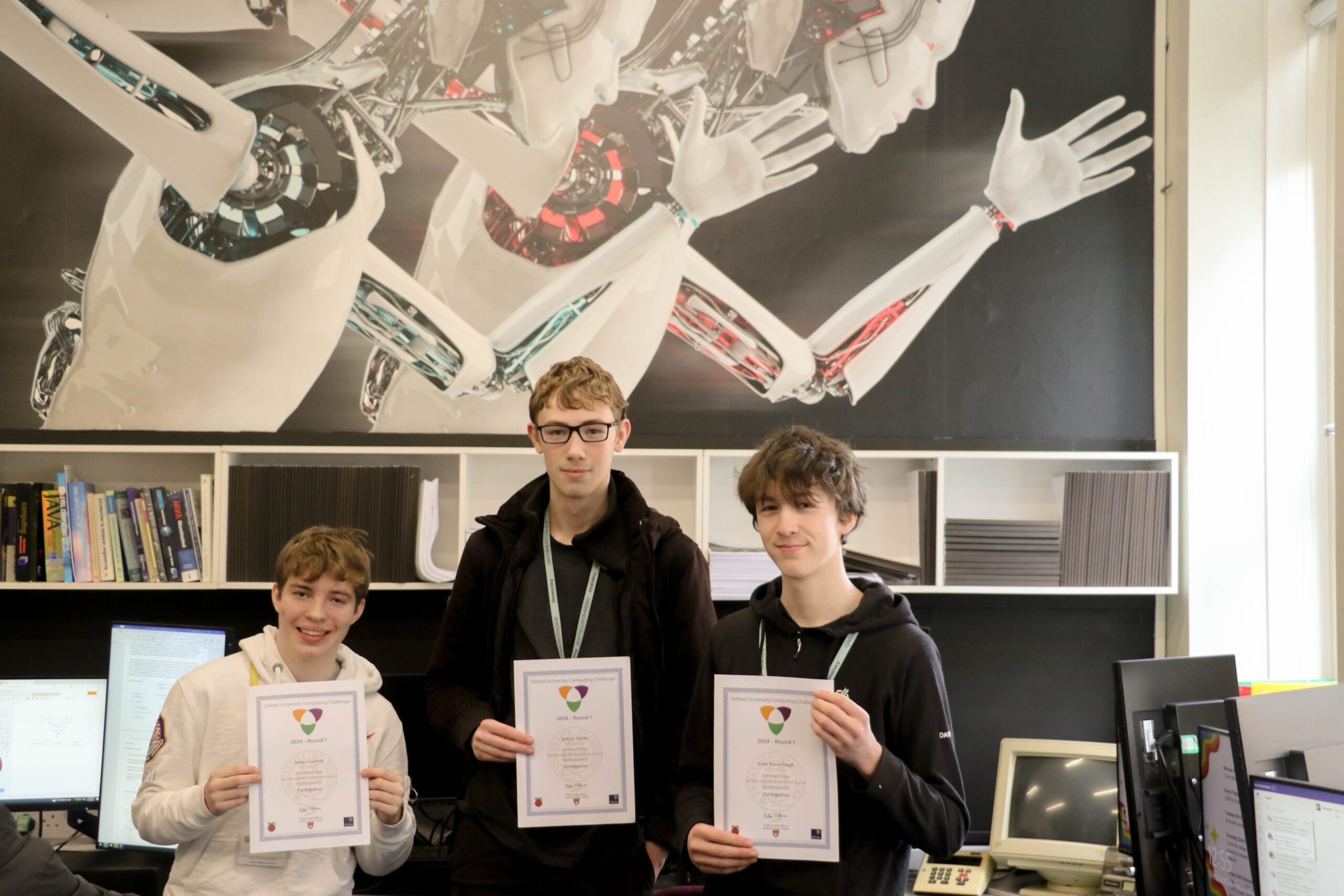 20 February 2024 Computer Science Competition Success Read More
 -
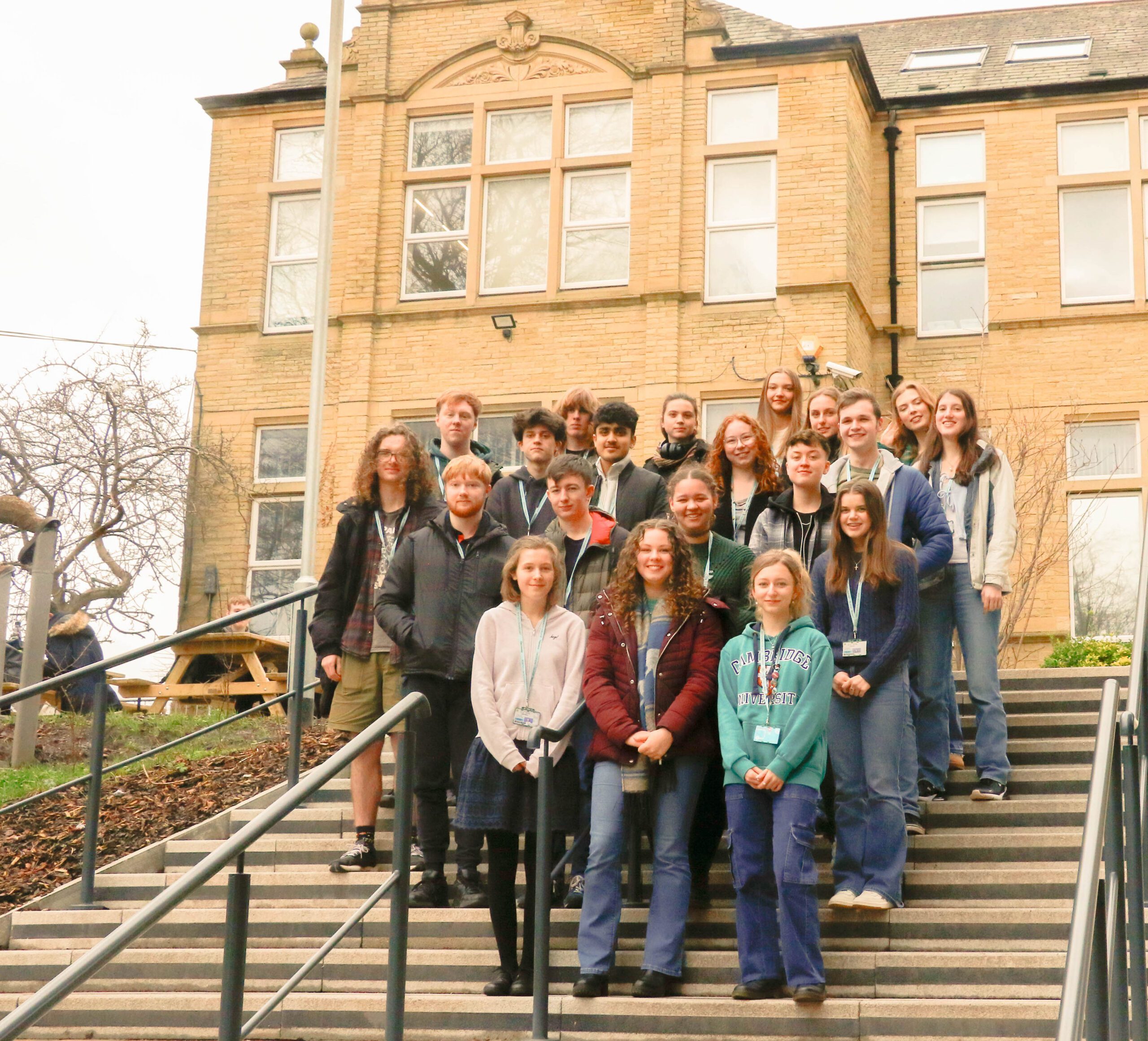 2 February 2024 27 students secure coveted places at Oxbridge Universities Read More